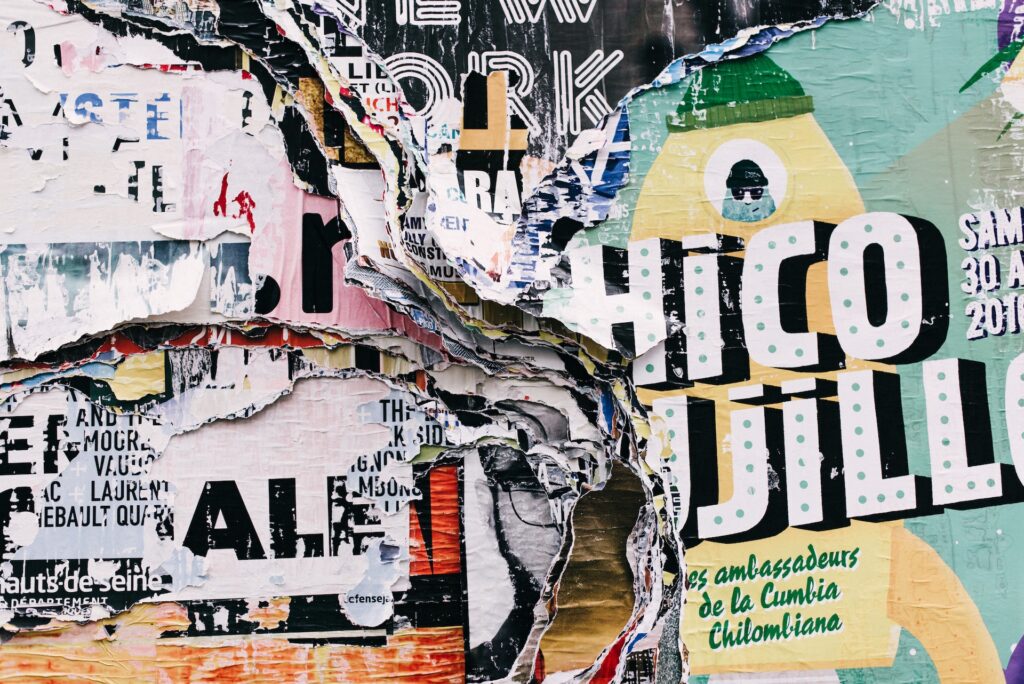
A three-block mural, painted by forty residents over six weekends, turned a stretch of empty storefronts into the most photographed corner of a mid-sized Rust Belt city. It also did something no tax incentive on the books had managed: it gave people a reason to stop walking and talk to whoever was standing next to them.
That is not a feel-good anecdote cities are telling themselves to justify an arts budget. It is a strategy, increasingly deliberate, showing up in planning documents and municipal budgets across a wide range of cities. The friction driving it is specific: traditional gathering spaces, the coffee shops, community centers, and churches that used to anchor local social life, have been closing or thinning out for years, and public art is being asked to do some of the work those spaces used to do for free.
What a Third Place Actually Does
Sociologists have long used the term third place to describe somewhere that is neither home nor work, where people gather without an agenda and bump into neighbors they would not otherwise see. Those places have been disappearing for reasons that have nothing to do with art: rising commercial rents, the decline of religious attendance, remote work removing the office as an accidental social hub, retail consolidation replacing local shops with formats that discourage lingering.
Cities losing these spaces are discovering that the loss shows up as more than nostalgia. Measurable declines in neighbors recognizing each other, weaker informal support networks, and a documented rise in reported loneliness all track closely with the disappearance of casual, unplanned gathering spots. A city cannot legislate friendship back into existence, but it turns out it can build physical spaces that make casual encounters more likely, and public art has become one of the cheapest, fastest tools available for doing that.
Why Murals and Installations Specifically
A mural does something a plaque or a park bench alone does not: it gives people a reason to stop, and often a reason to talk to a stranger standing next to them doing the same thing. Interactive installations, several cities have found, do this even more effectively. A public piano left on a sidewalk corner, a chalk wall reset every week, a rotating sculpture series with a scannable code linking to the artist’s own account of the work: these create small, repeatable moments of shared attention between strangers, which is close to the actual mechanism a third place relies on.
The projects producing the strongest community effects share a specific feature: they involve residents in the making, not just the viewing. A mural painted by a hired professional overnight generates admiration. A mural painted over six weekends by eighty rotating community volunteers generates something closer to ownership, and cities are finding that the version with community labor gets protected from vandalism and neglect far more reliably than the version installed without local involvement.
The Budget Case Cities Are Making
Arts funding has historically been treated as the first line item cut during a budget crunch, framed as a nice extra rather than a civic necessity. The public art projects gaining real budget traction this year are the ones reframed explicitly around measurable outcomes: foot traffic counts near a new mural, reported crime rates in a previously underused public space after an installation, small business revenue in a corridor before and after a public art investment.
Several cities have started treating a mural or public installation less like a cultural expense and more like a piece of low-cost infrastructure, comparable in cost to a single traffic signal but with effects on community cohesion that a traffic signal was never designed to produce. That reframing has proven far more persuasive to skeptical city councils than an appeal to the intrinsic value of art alone, however true that appeal might also be.
Where This Approach Has Limits
Public art cannot substitute entirely for the third places it is being asked to supplement. A mural does not replace the actual function of an affordable coffee shop where someone can sit for two hours without buying a second item, or a community center with programming that brings the same group of neighbors back on a predictable weekly schedule. The cities getting the most out of this strategy treat art as one piece of a broader effort, alongside zoning changes that make small local businesses viable again and public investment in spaces designed for lingering, not a replacement for either.
There is also a real risk of the effort becoming decorative rather than functional, art installed to look good in a press release without any of the community participation or ongoing programming that made the successful examples work. A mural nobody helped paint, in a spot nobody has a reason to visit twice, produces a nice photo and very little of the social effect cities are actually chasing.
The Actual Lesson Cities Are Learning
The through-line across the projects working well is participation over presentation. Art installed at a community does less for that community’s cohesion than art built with it. Cities figuring this out are treating public art less as decoration for a space and more as an excuse to get residents doing something together, repeatedly, in public, which was always the actual ingredient a third place provided in the first place. The mural is not the point. The six weekends of neighbors painting it side by side are.
City planner here, can confirm the budget reframing described. Foot traffic data got us funding nothing else could.
This tracks with our own city’s experience almost exactly. Participation mattered more than the final image.
Appreciate the honesty about the limits of this approach. Art alone can’t fix a zoning problem.
The distinction between art installed at a community versus built with it is the whole argument in one sentence.
Good piece, though I’d like to see cost comparisons across a few different cities, not just the one example given.
As someone who volunteered on one of these projects, the ownership feeling described here is real. I still check on that wall.
The six weekends of painting together detail is doing more work in this piece than the mural itself.
This should mention gentrification concerns more directly. Public art investment sometimes precedes displacement in ways worth flagging.
This tracks with what happened in my own neighborhood. The mural nobody helped paint got tagged within a month.
This tracks with a project in my own city that failed for exactly the reason described, no community involvement in the making.
This should mention maintenance costs more directly. A mural needs upkeep and that budget line often gets forgotten.
Would like to see this compared to older public art programs from decades ago. Feels like there’s history being repeated here.
Would like a follow-up on interactive installations specifically. The public piano example deserved more detail.
Appreciate that this didn’t oversell art as a replacement for actual gathering spaces like coffee shops or community centers.
Solid piece, though I wish it addressed how these projects get selected and who decides which neighborhoods get funded first.
Would like more data on the crime rate claims mentioned. That’s a big statement that deserves its own deeper look.
Good reporting, though more voices from residents themselves, not just planners, would have strengthened this.
Sharing this with our parks department. We’ve been pitching almost this exact idea for next year’s budget.
The traffic signal cost comparison is a great way to pitch this to a skeptical budget committee.
As a sociologist, the third place framing is well applied here. Good use of the concept without overstating it.